The announcement
Transaction Network Services announced on 13 October 2026 that its payment orchestration platform supports more than 100 alternative payment methods alongside card schemes. The company highlights unattended environments such as parking and self-service, where customers may have no employee available to help when their preferred payment method is missing. The announcement describes access through one platform connection, with examples including wallets, QR journeys, payment links and local schemes.
NXBits analysis: choice matters at the moment of failure
At a staffed checkout, an employee can suggest another way to pay or explain an unfamiliar screen. An unattended device has to do that work itself. A customer may be outdoors, carrying shopping or trying to leave a car park. The value of another payment method depends on whether it helps that customer complete the purchase in the circumstances where the device is actually used.
Our reading is that coverage should be evaluated as a customer-completion problem. A catalogue containing many methods is useful only if the appropriate choices are available, recognizable and reliable for the merchant's users. The best first step may be a small number of well-supported local methods rather than a crowded screen. Selection should follow customer demand and real failure data from the installed estate.
Design for a small screen and a short decision
Payment options need a deliberate order. A customer should be able to recognize the relevant choice without reading a long explanation or navigating several unrelated menus. The interface also needs a clear route back when a chosen method cannot be completed. A stalled external wallet or an expired QR session should not leave the terminal in an uncertain state that blocks the next customer.
Accessibility deserves attention during that design work. Screen contrast, touch targets, language, timeout behavior and instructions all affect whether a method is usable. Testing should include people who are unfamiliar with the device. A payment method that works beautifully during an internal demonstration may perform poorly in bright light, weak connectivity or a busy location where customers need to act quickly.
Synchronize the payment with the physical service
An unattended transaction often has a physical consequence: a gate opens, a ticket is issued or a product is dispensed. The merchant needs a robust link between confirmed payment and delivery of that service. It should define what happens when payment completes but the device does not receive confirmation, and what happens when the service is delivered before the final payment status is known.
Those situations require careful treatment of retries. Repeating an instruction should not accidentally create another charge or another service entitlement. Payment references and device events should be connected so a support team can reconstruct the sequence. For a parking operator, the meaningful outcome is not simply a transaction marked successful; it is a driver who has paid correctly and can leave without another intervention.
Refunds must work without a sales assistant
Expanding acceptance also expands the set of refund and support journeys a merchant may need to offer. Customers should know how to obtain a receipt and where to ask for help. Staff need the information required to locate the payment even if the method uses identifiers different from a familiar card number. A receipt that can be retrieved later is particularly useful when a terminal has no printer.
Before activation, merchants should confirm how refunds, cancellations and disputed outcomes are handled for each selected method. The rules may differ. The business should not assume that every method offers the same timing or customer protections. A concise support playbook should explain those differences and give staff an actionable process for a customer who paid but did not receive the expected service.
Evaluate each location with evidence
A pilot should compare similar devices or locations and record method selection, completed purchases, abandonment and support contacts. It should distinguish customers who switched from an existing option from customers who would otherwise have been unable to pay. That difference matters when assessing whether a new method adds useful coverage or mainly redistributes transactions while increasing operating complexity.
The evaluation should include device availability and connectivity. A terminal with broad payment choice can still fail if its connection is unreliable or its software cannot recover cleanly from an interruption. Operators should test what the customer sees during a temporary outage and how the machine returns to service. Successful recovery is part of the checkout experience, especially where no employee is watching the device.
The buyer's practical checklist
A merchant should request a method-by-market availability list, device compatibility information, settlement reporting examples and the applicable commercial terms. It should understand whether adding a method requires a terminal change, another agreement or an operational approval. The phrase single connection should be translated into the exact work needed for the merchant's equipment, locations and customer base.
We would judge the expansion by fewer failed journeys and a support process that remains understandable as payment choice grows. In unattended commerce, variety is a means to a practical end: a customer pays, the service is delivered and both sides have a dependable record. A successful deployment makes that sequence feel routine even though several payment systems may be operating behind the screen.
Sources and further coverage
Follow our merchant acquiring coverage and read the editorial policy. Corrections and correspondence: info@nxbits.com.
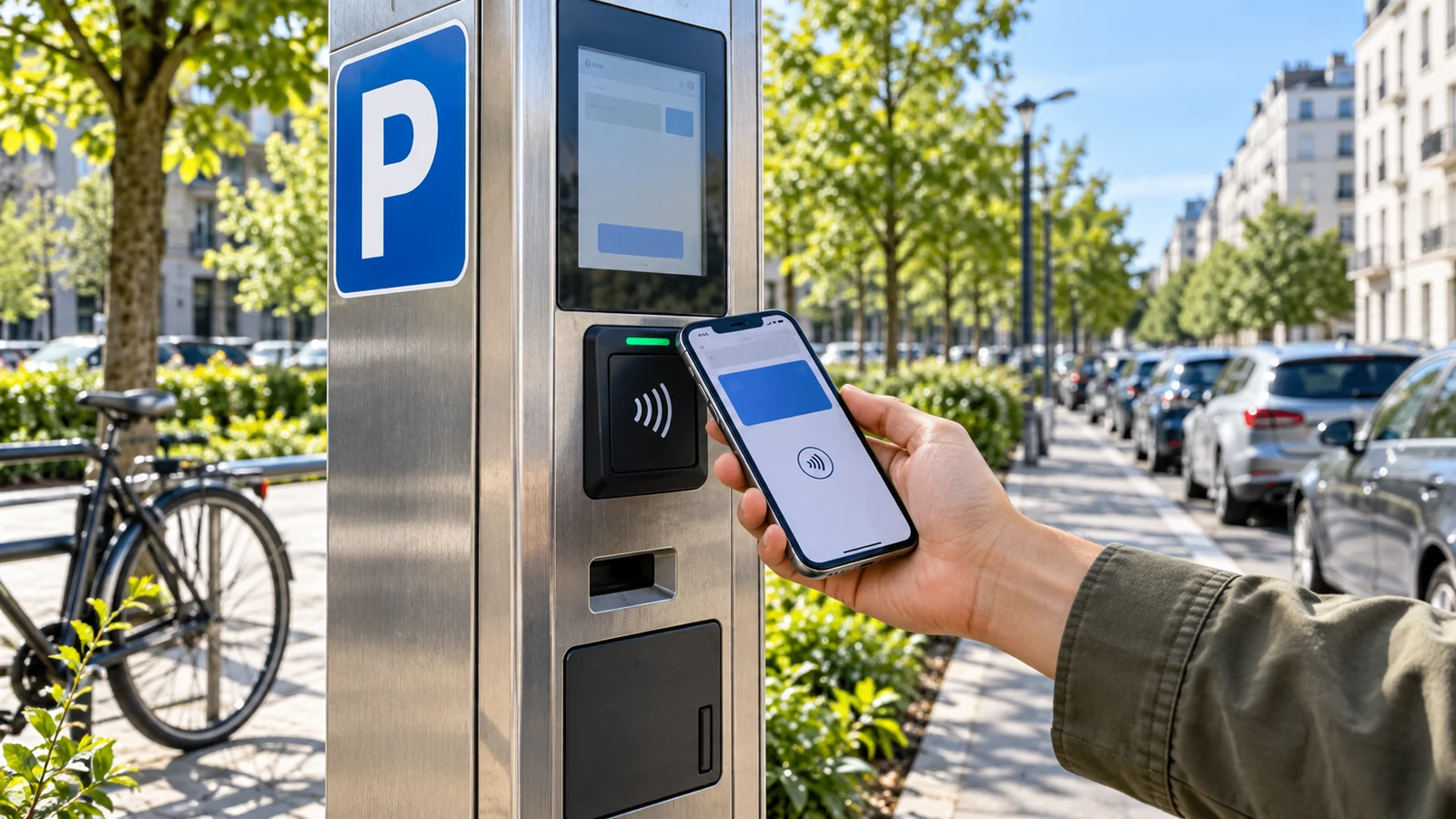
Cover: AI-generated conceptual illustration for NXBits Payments News; not a photograph of an actual event.