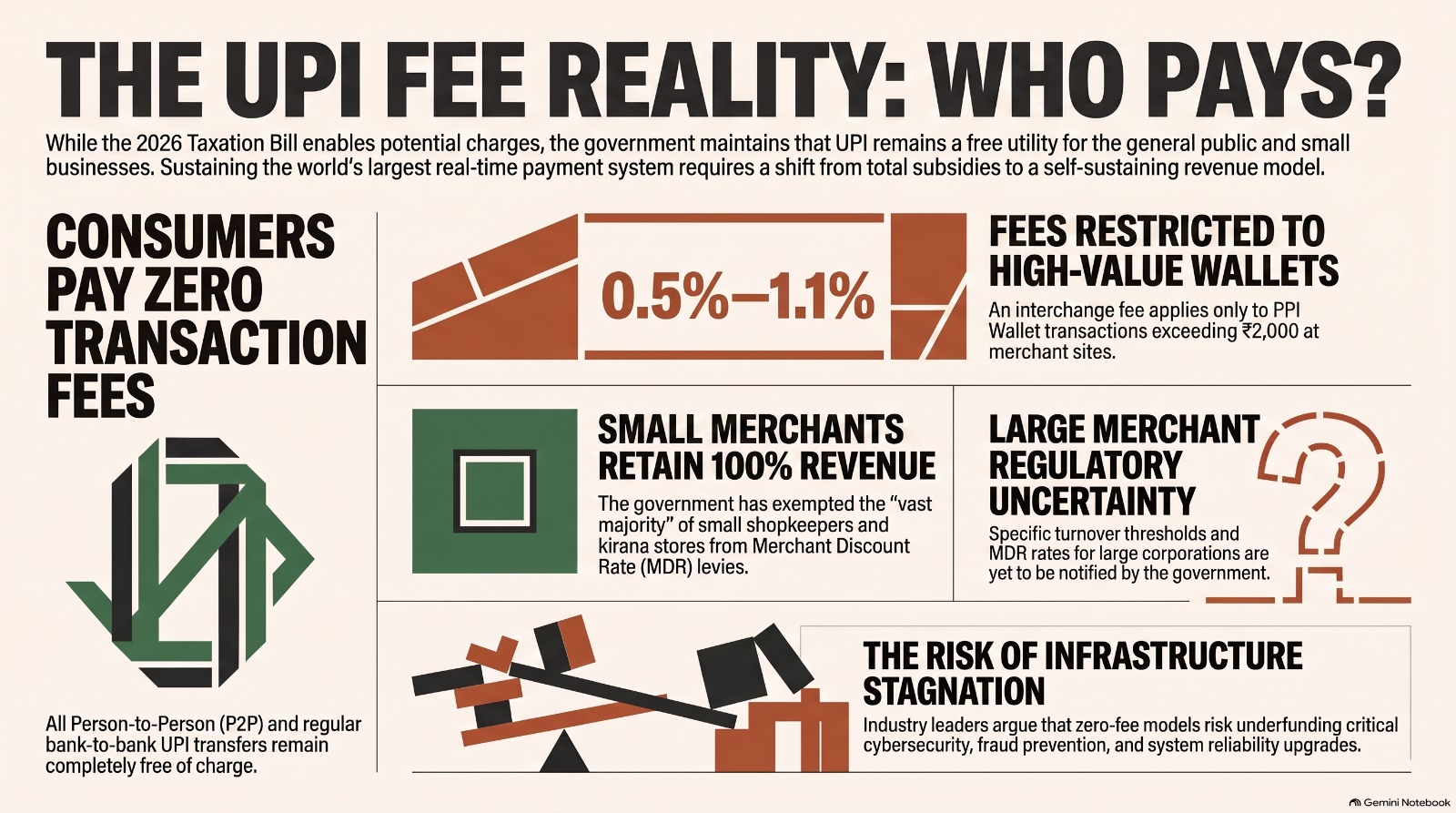
The Price of Free: 5 Realities Defining the Future of UPI
UPI's zero-fee promise remains intact for consumers and small merchants, but the funding model behind India's real-time payment rail is entering a new phase.
Front Page
Original long-form briefs on the rails, regulation, fraud controls and settlement models reshaping modern payment infrastructure.
UPI's zero-fee promise remains intact for consumers and small merchants, but the funding model behind India's real-time payment rail is entering a new phase.
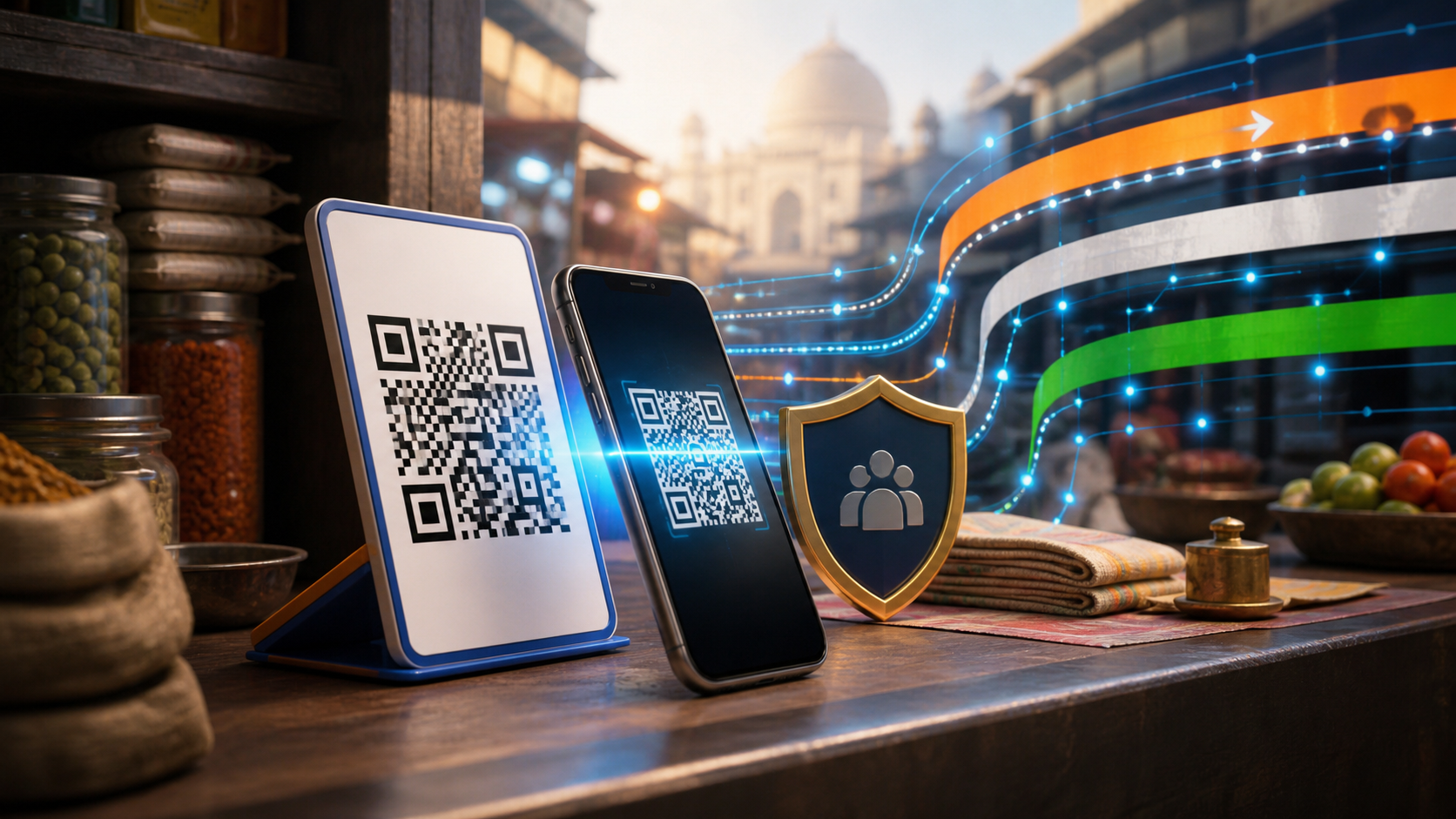
India's UPI fee debate is becoming a test of payment-policy balance: keep consumers and small merchants protected while funding resilient real-time rails.
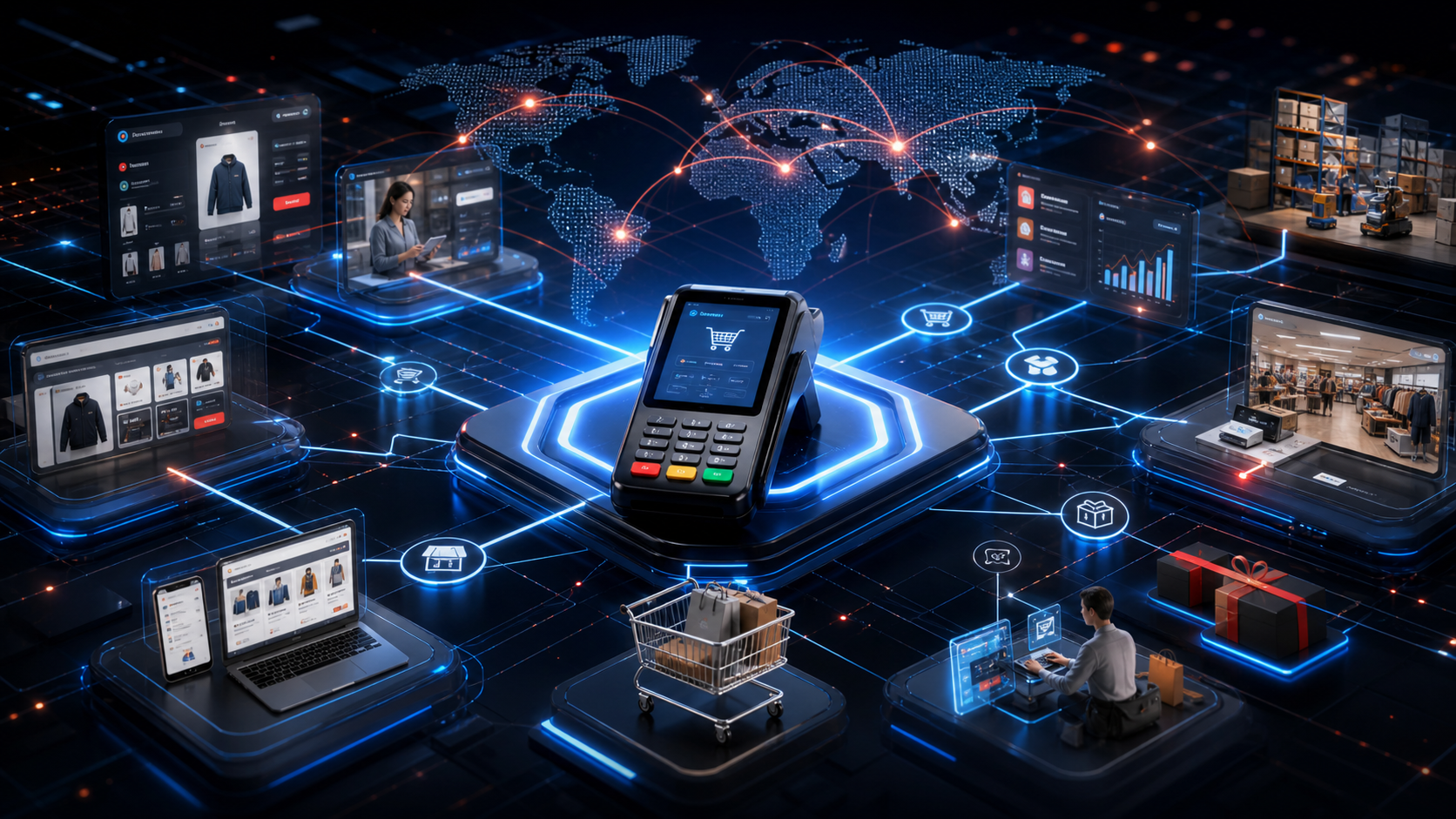
Fiserv and Mastercard are bringing Commerce Hub and Merchant Cloud closer together, pointing to a merchant stack built for omnichannel and agentic commerce.

Visa's planned BioCatch acquisition shows fraud prevention moving earlier in the journey, from authorization to behavior, device signals and scam detection.

Mastercard's BVNK completion shows stablecoin infrastructure moving into mainstream payment-network strategy, especially for settlement and value movement.
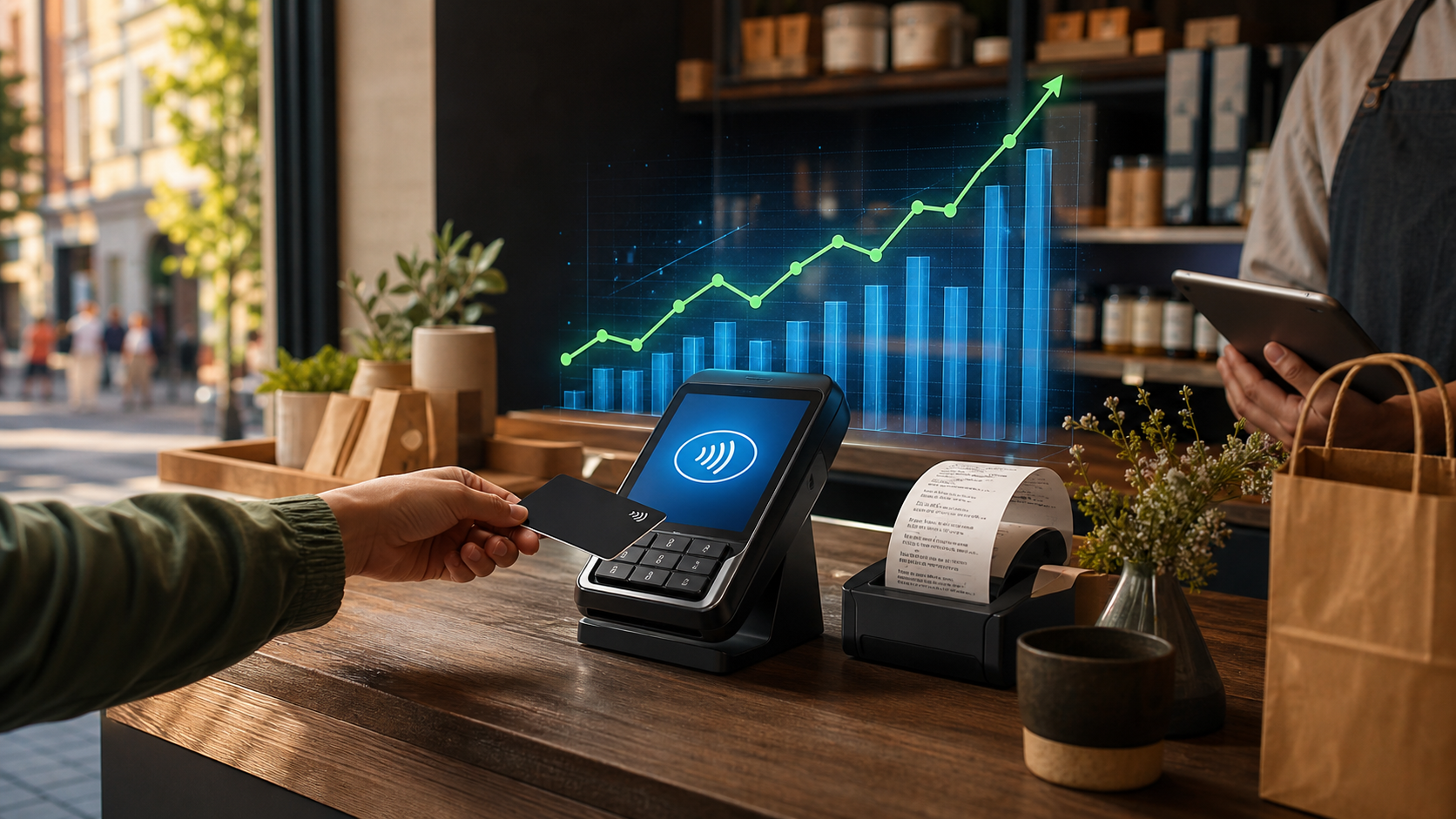
Fiserv's small-business data points to modest U.S. growth, with payment operators watching ticket size, transactions, sector mix and merchant resilience.

Checkout.com's UAE in-principle SVF approval strengthens its regional payments stack and highlights why licensing depth matters in MENA commerce.

Mastercard's virtual-card enhancements show B2B payments moving toward tighter policy controls, ERP connectivity and embedded finance workflows.

Stripe and Ramp are making stablecoins look like ordinary business finance, with bank-funded payments, dollar balances and accounting workflows.

Fiserv's Datavault AI deal shows embedded finance expanding into marketplaces where identity, data rights, wallets and payouts converge.