FedNow's August Update Puts Instant Payment Reach and Risk Controls Back in Focus
FedNow's latest participant-list update and network intelligence tooling show instant payments moving from reach-building into risk-aware operating maturity.
Front Page
Original long-form briefs on the rails, regulation, fraud controls and settlement models reshaping modern payment infrastructure.
FedNow's latest participant-list update and network intelligence tooling show instant payments moving from reach-building into risk-aware operating maturity.
Nacha's latest approved rules point to a quieter kind of payments modernization: better contacts, clearer character handling and realistic funds-availability exceptions.
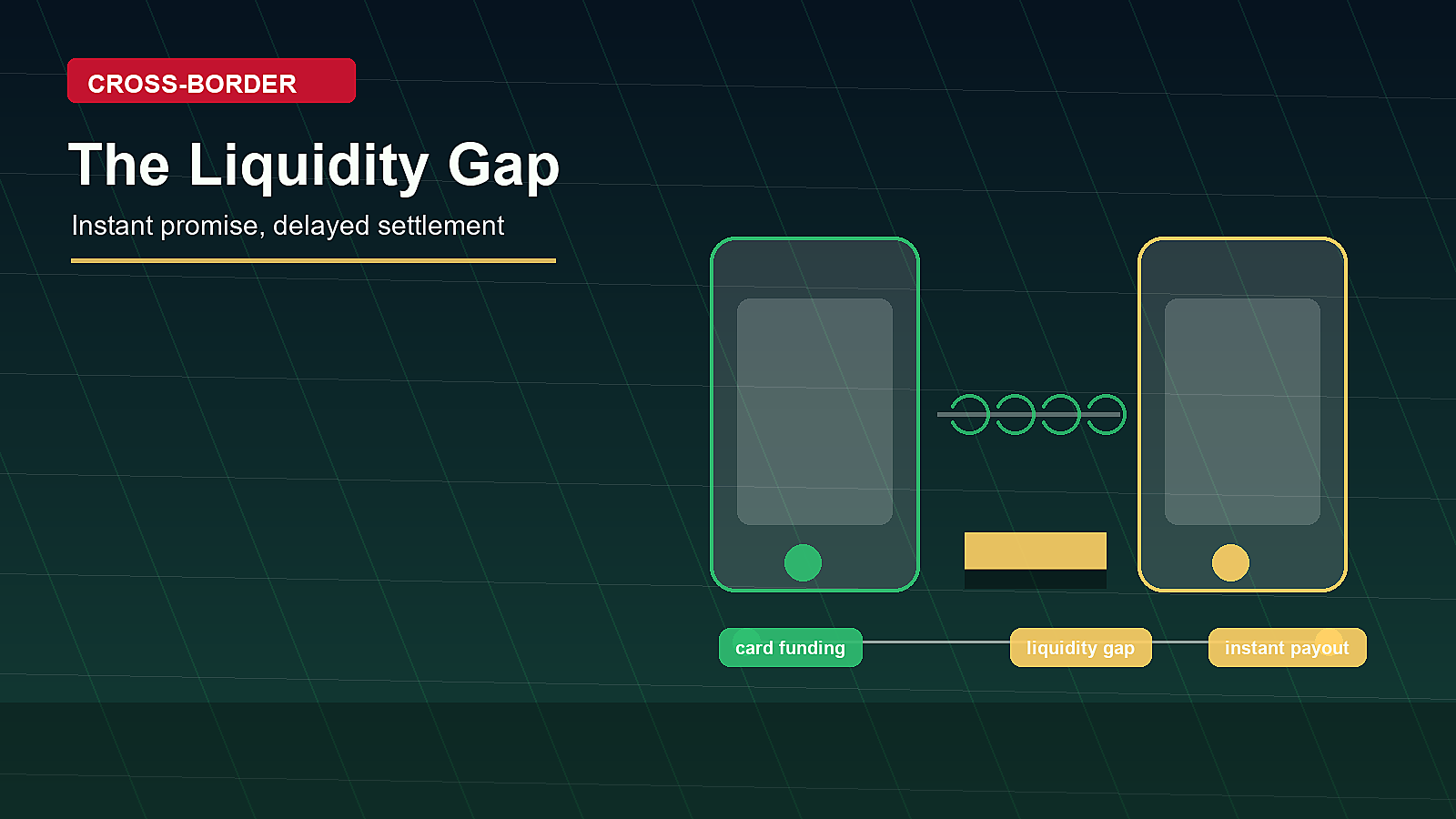
A fresh Adyen payments brief highlights the hidden liquidity and authentication pressures that remittance platforms face when customer transfers feel instant.
Government data showing 55.49 crore UPI users and Rs 314.23 lakh crore in FY26 value highlights a rail that now must scale security, uptime and cross-border trust.
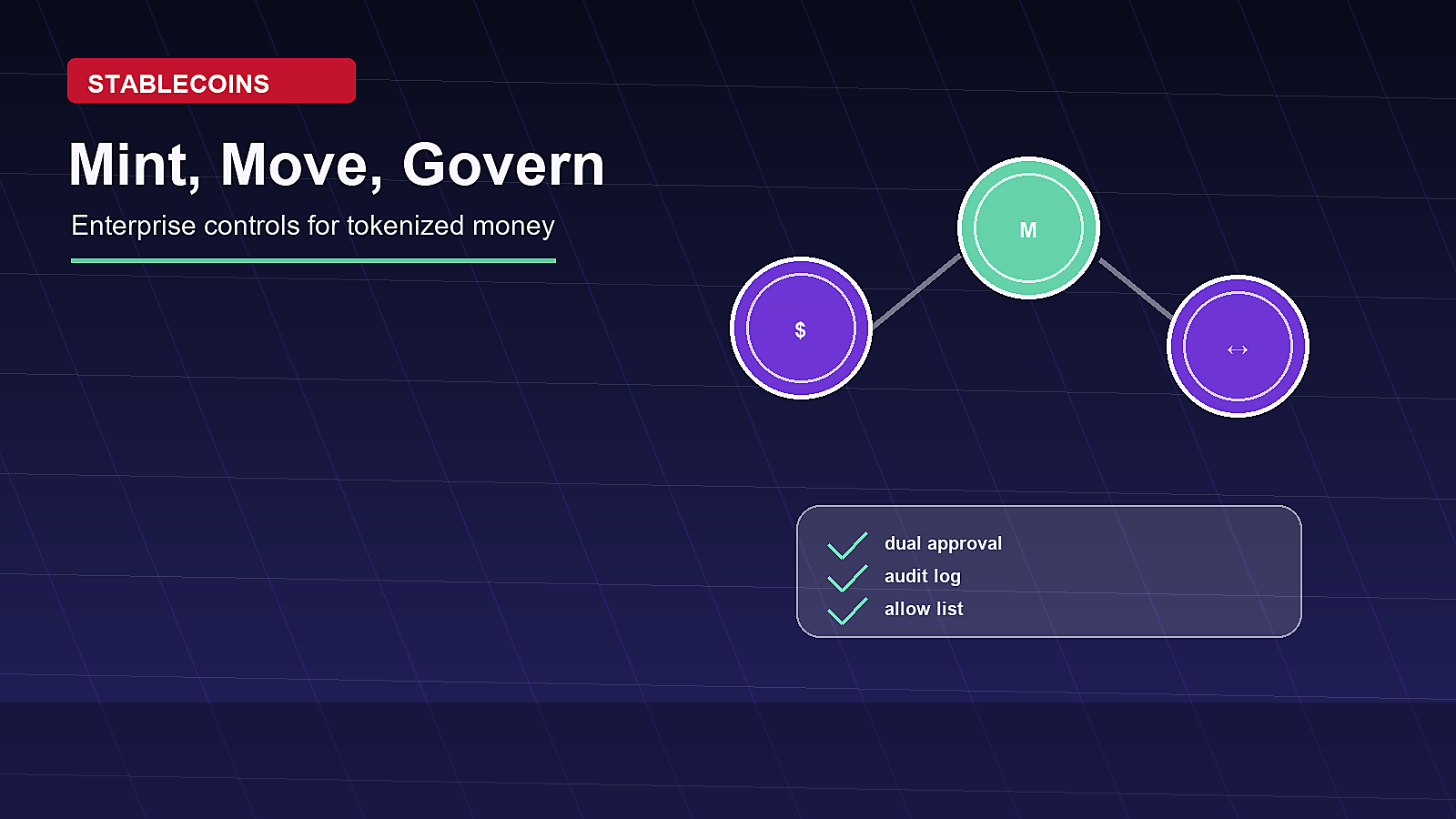
Visa's Stablecoin Platform gives institutions a managed environment for minting, moving and governing stablecoin flows, shifting the debate from tokens to operations.
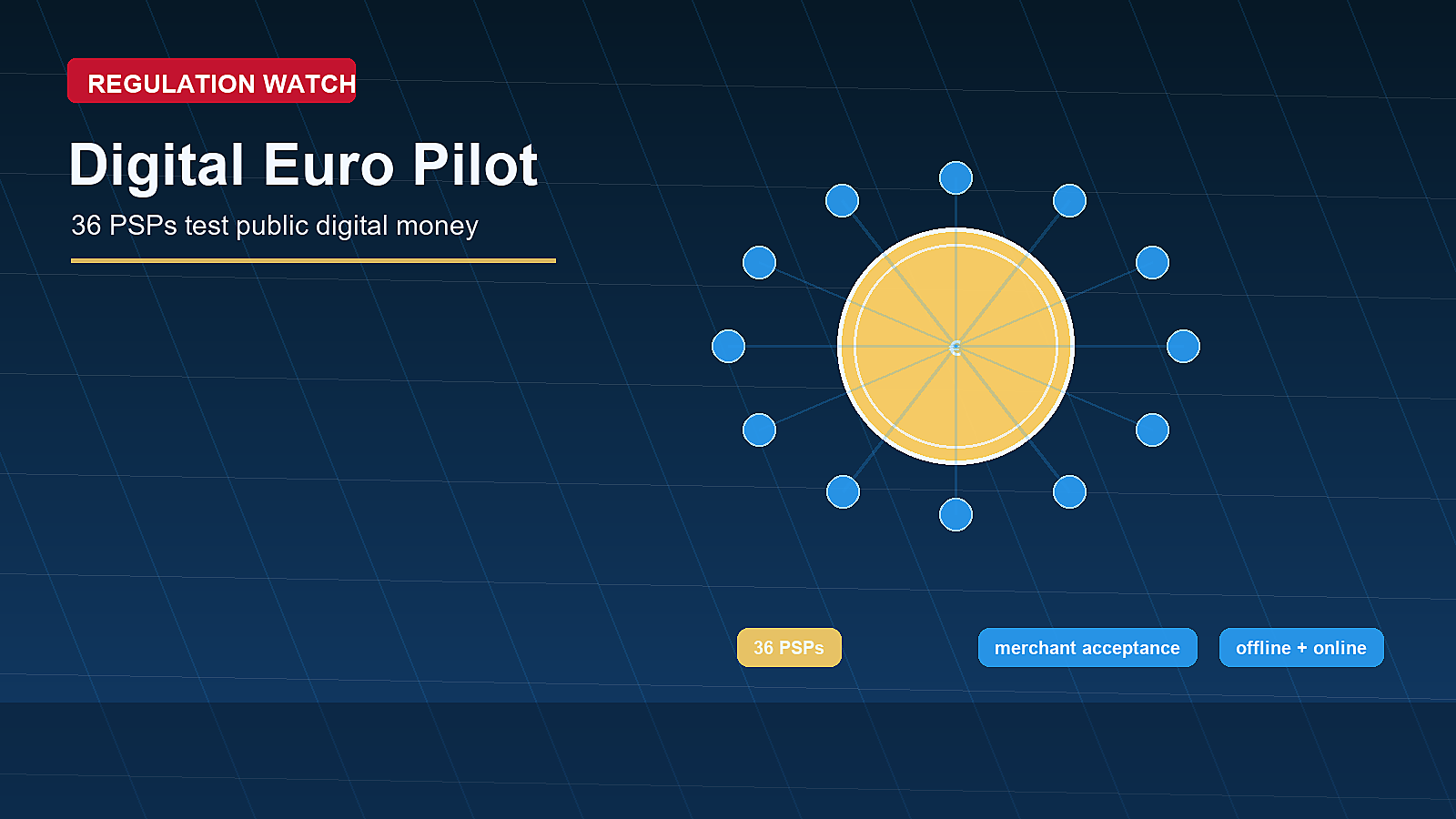
The ECB selected 36 payment service providers for a digital euro pilot, bringing banks, acquirers and merchants closer to practical testing of public digital money.
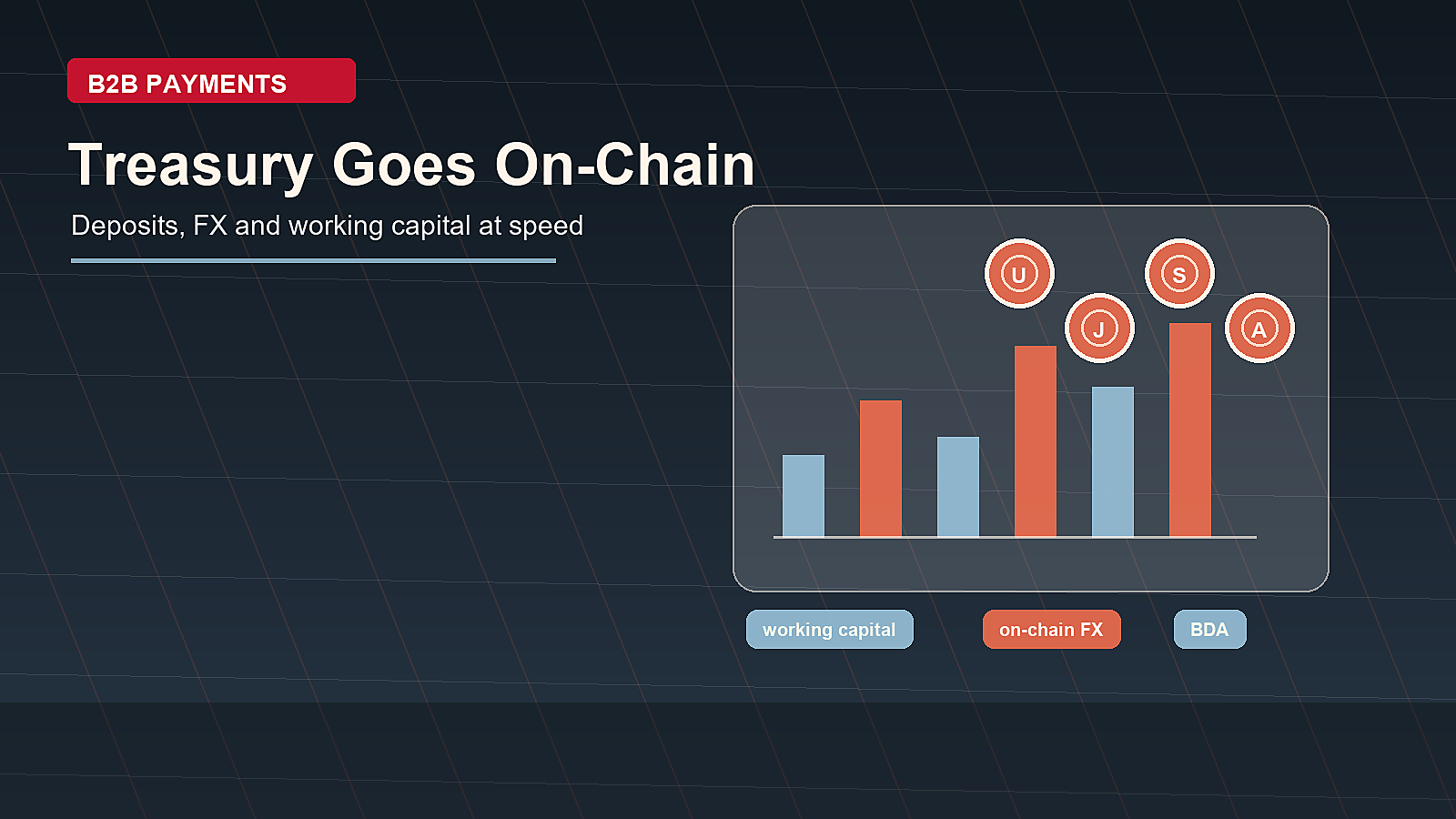
J.P. Morgan Payments reported a record Q2 2026 while highlighting Kinexys, working capital, AI and real-time FX, showing treasury infrastructure moving into the growth spotlight.
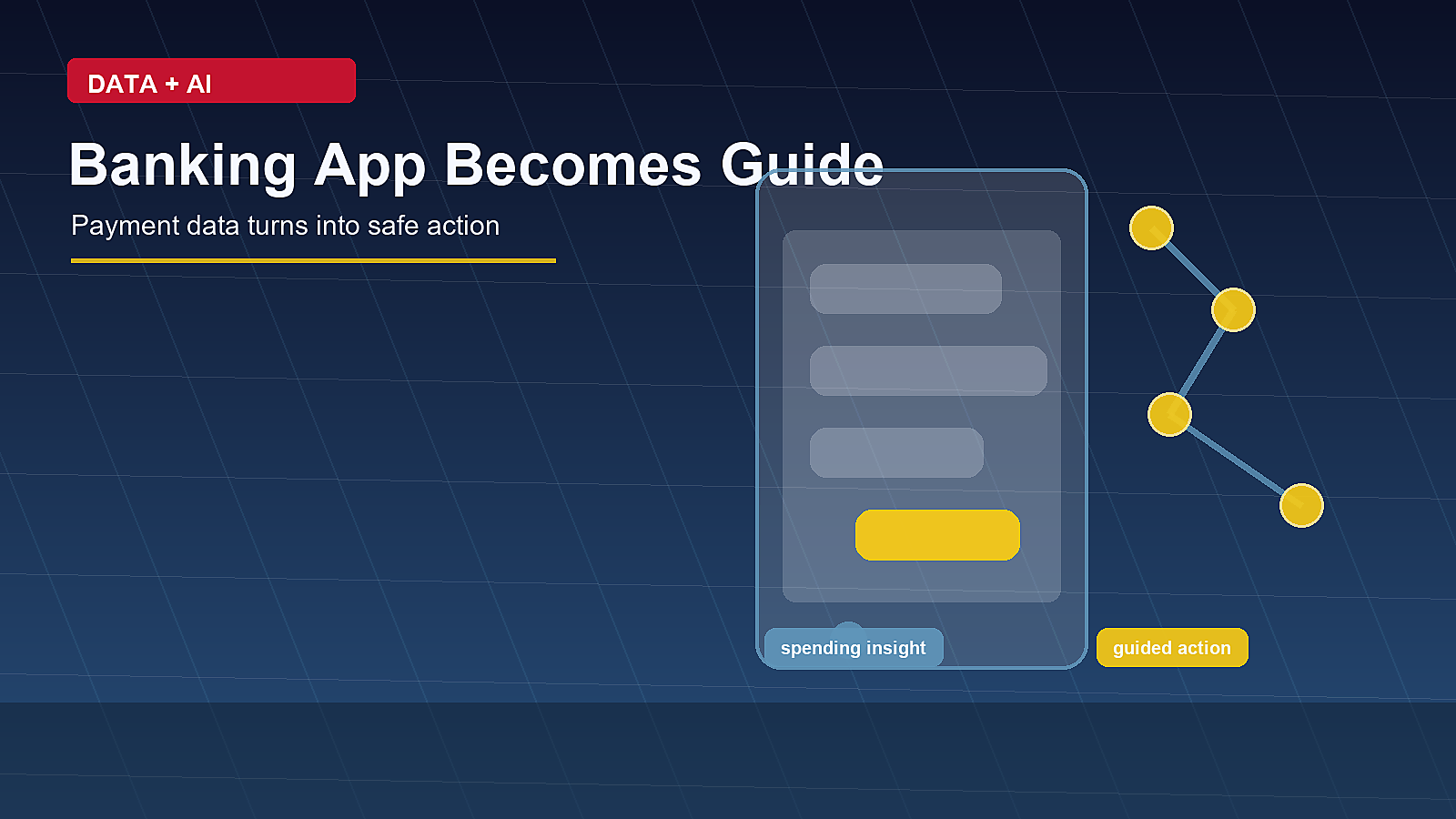
Visa's AI Financial Assistant gives banks a way to embed conversational financial guidance inside their own apps, turning payment data into guided action.
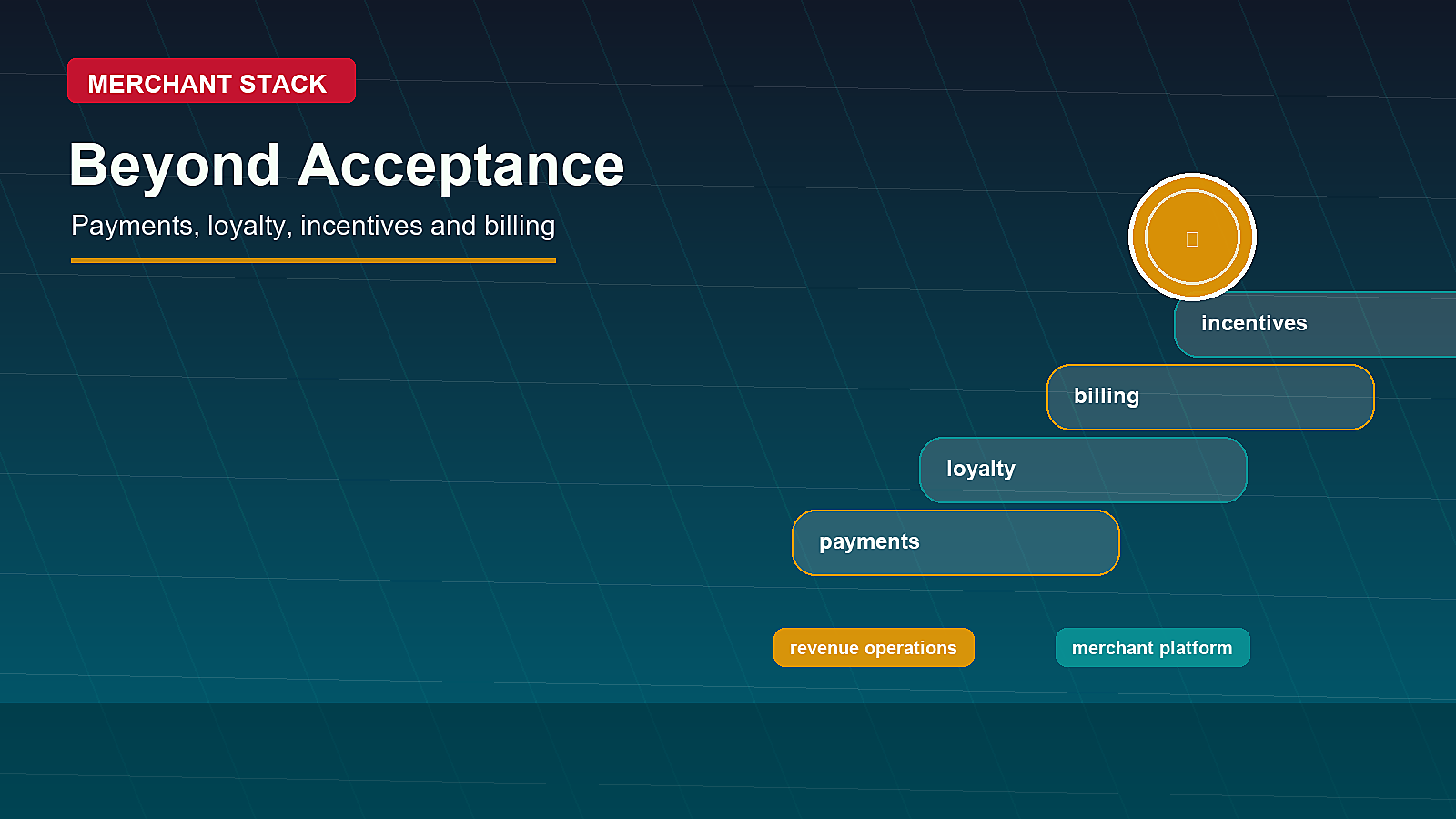
Adyen closed its Talon.One and Orb acquisitions, bringing loyalty, incentives and enterprise billing closer to the payment platform layer.
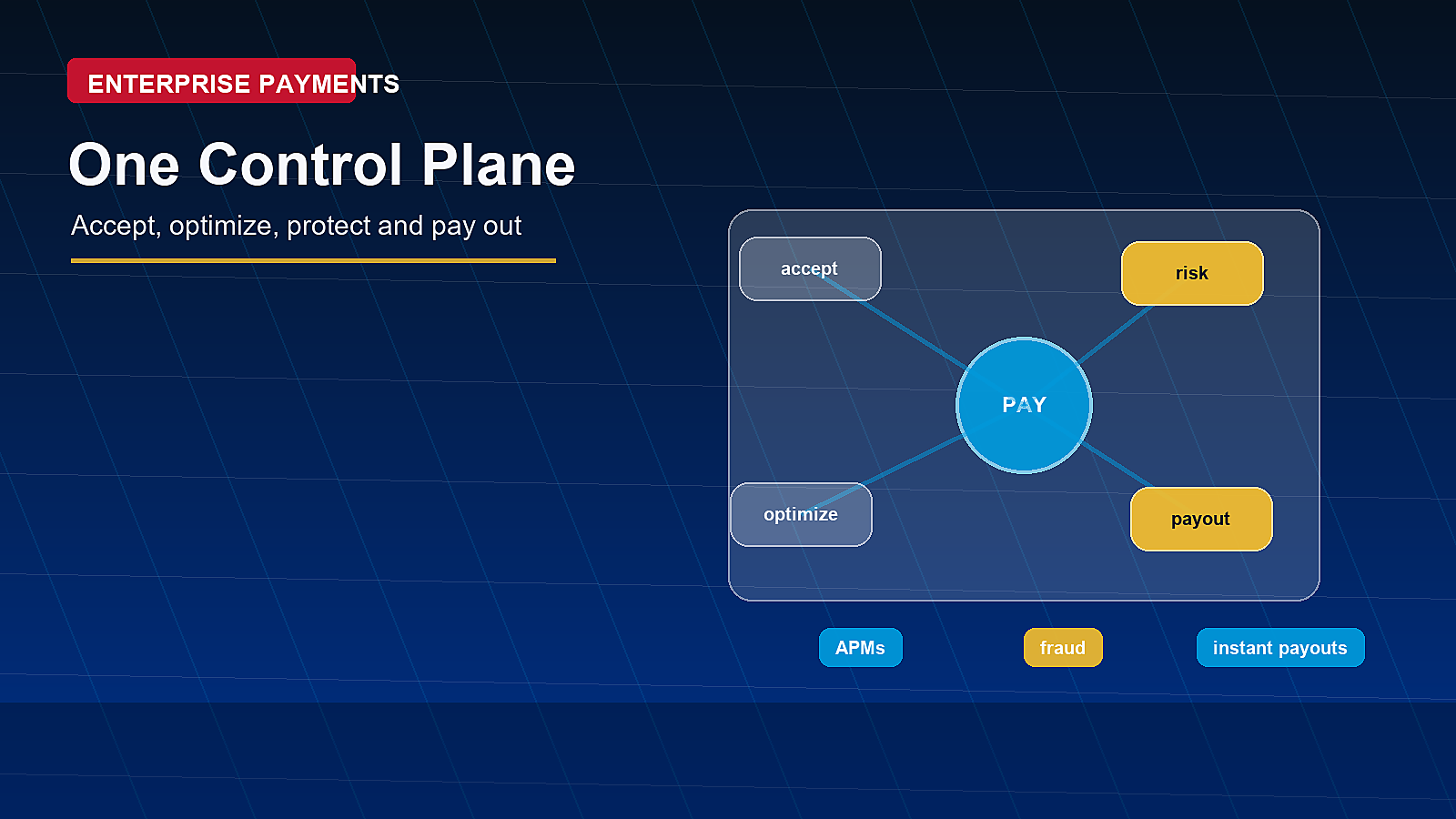
PayPal Open's July release notes add card funding, local payment methods, EFTPOS, fraud tools and instant payouts, showing enterprise payments becoming more orchestrated.